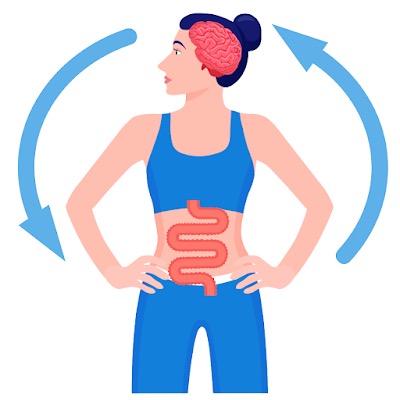
There’s been a lot of buzz about GLP-1 lately—especially with new weight loss medications that mimic its effects. But here’s the exciting part: your body already produces GLP-1 naturally! And there are simple lifestyle habits you can use to support it.
Let’s dive into what GLP-1 is, why it matters, and how you can naturally boost your body’s own response.

🌱 What is GLP-1?
GLP-1 (glucagon-like peptide-1) is a hormone made in your gut when you eat. It plays a powerful role in:
- Balancing blood sugar → stimulates insulin release and prevents big spikes and crashes.
- Curbing appetite → tells your brain you’re full and satisfied.
- Supporting digestion → slows how quickly food leaves the stomach, keeping you full longer.
🌿 How to Support GLP-1 Naturally
Here’s the good news: you don’t need expensive pills to encourage your body’s GLP-1 response. Everyday habits can do the job beautifully.

1. Prioritize Protein
➡️ Why it works: Protein stimulates GLP-1 release more than carbs or fats, which is why a high-protein breakfast can reduce cravings later in the day.
➡️ Practical tip: Aim for 20–30g of protein per meal. Combine plant proteins—like beans with grains—to get all essential amino acids.
👉 Ideas: Greek yogurt with hemp hearts, lentil soup, tofu stir-fry, or bean-and-quinoa bowls.

2. Focus on Fiber
➡️ Why it works: Soluble fiber (found in foods like oats and chia) slows digestion and prolongs GLP-1 action, keeping blood sugar steady and helping you feel satisfied.
➡️ Practical tip: Make chia pudding, stir flaxseed into smoothies, or add lentils to soups for extra satiety.

3. Add Healthy Fats
➡️ Why it works: Certain fats, especially monounsaturated ones (like olive oil, avocado, and nuts), boost GLP-1 secretion and improve satiety.
➡️ Practical tip: Don’t be afraid of healthy fats—add nut butter to oatmeal, sprinkle seeds on salads, or drizzle olive oil over roasted veggies.

4. Eat Slowly & Mindfully
➡️ Why it works: It takes about 15–20 minutes for GLP-1 and other satiety hormones to signal your brain that you’re full. Eating too quickly bypasses this signal.
➡️ Practical tip: Chew thoroughly, put your fork down between bites, and aim for at least 20 minutes at meals.

5. Move Your Body
➡️ Why it works: Both cardio and strength training increase baseline GLP-1 levels and improve sensitivity, which means your body uses it more effectively.
➡️ Practical tip: Mix strength training (for metabolism and muscle) with outdoor walks, hikes, or cycling for cardiovascular benefits.

6. Support Gut Health
➡️ Why it works: A healthy microbiome produces short-chain fatty acids that stimulate GLP-1 release.
➡️ Practical tip: Add both probiotics (fermented foods like sauerkraut, kimchi, yogurt) and prebiotics (fiber-rich foods like onions, garlic, bananas, asparagus) to your meals.

7. Prioritize Sleep
➡️ Why it works: Sleep deprivation decreases GLP-1 and increases ghrelin (the hunger hormone), making cravings stronger and appetite harder to control.
➡️ Practical tip: Create a calming bedtime routine: dim the lights, shut off screens, sip herbal tea, and keep your bedroom cool and quiet.
✨ The Takeaway
Your body is designed with incredible systems to regulate appetite and energy. By focusing on protein, fiber, healthy fats, movement, gut health, and sleep, you can naturally support your GLP-1 response—helping you feel fuller, more balanced, and energized.
Small, consistent choices really do add up to big results.
Whether you’re focused on boosting GLP-1 naturally or just want meals that keep you full longer, protein makes it easier.
I’ve created a high-protein, lower-calorie recipe book to take the guesswork out of eating well.
Related Posts:
- Should You Eat More Earlier in the Day? The Real Truth About Meal Timing, Metabolism & Weight Loss
- Is a Fibre Deficiency Secretly Sabotaging Your Weight Loss
- Why Sleep Might Be the Missing Piece in Your Weight Loss
📌 Be sure to save this for reference

Leave a Reply