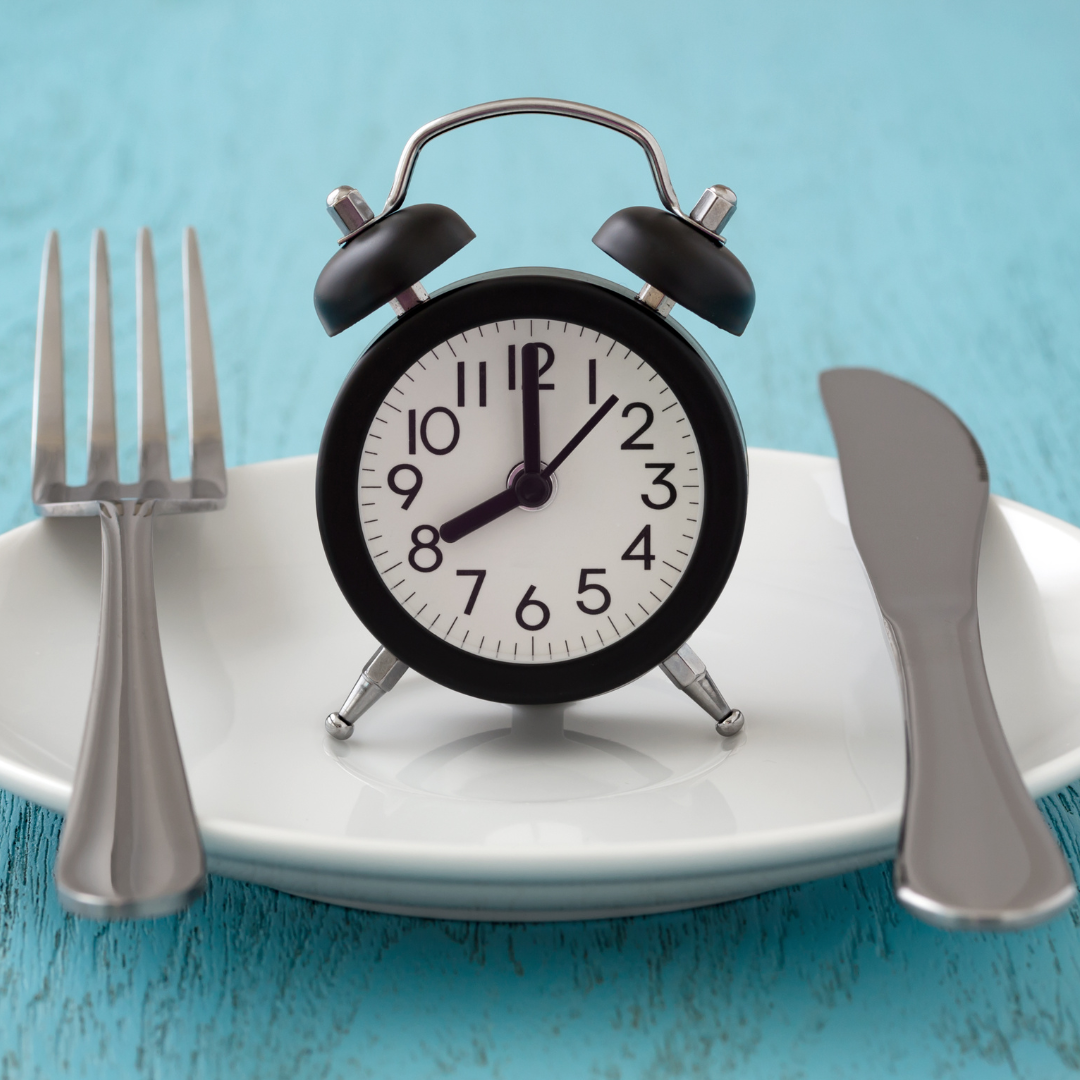
Good nutrition matters, timing not so much

By Laurel Seabrook · Healthy Life, Simple Style
- All those timing “rules”
- The truth about workout nutrition
- The #1 factor for fat loss
- When timing can actually help
- The bottom line
- This week’s challenge
- Related posts
If you’re anything like me, you’ve probably heard a lot of rules about what and when to eat around your workouts:
- “You need to eat protein within 30 minutes after exercise.”
- “Never work out on an empty stomach.”
- “Always have carbs before cardio.”
- “Don’t eat past 7 PM.”
Sound familiar? There’s no shortage of advice floating around—some good, some outdated, and some that just adds unnecessary stress. So let’s break down what really matters when it comes to nutrition and exercise.
The Truth About Workout Nutrition
There is some science behind nutrient timing—eating protein after exercise supports muscle repair and recovery. But unless you’re an elite athlete training multiple times per day, the timing of your meals isn’t nearly as important as the overall picture.
What matters most is what you do consistently throughout the day and week. Your body doesn’t stop responding if you miss the “30-minute window.” It’s constantly rebuilding, repairing, and adapting based on what you regularly give it.
The #1 Factor for Fat Loss: A Calorie Deficit
If your goal is fat loss, the biggest driver of results is being in a calorie deficit—eating slightly less energy than your body burns—consistently.
That doesn’t mean starving yourself. It means choosing nutrient-dense foods that keep you full and energized, like:
- Lean proteins: tofu, tempeh, eggs, Greek yogurt, lentils, beans
- Fiber-rich carbs: vegetables, fruit, oats, quinoa, whole grains
- Healthy fats: avocado, nuts, seeds, olive oil
The combo of protein + fiber is especially powerful—it keeps you satisfied longer, helps maintain muscle, and supports your metabolism.
When Timing Can Actually Help

- Before workouts: If you feel lightheaded or sluggish, try a small balanced snack 30–60 minutes before (e.g., a banana with nut butter, or Greek yogurt with berries). Comfort and performance matter.
- After strength sessions: Aim to include protein within a few hours. It doesn’t need to be immediate; just make sure your day’s total protein target is met.
- Busy schedule? If timing a snack helps you be more consistent with training or prevents evening overeating, that’s a win.
Think of timing as a performance/comfort tweak—not fat-loss magic.
The Bottom Line
You don’t need a strict window, complicated charts, or food rules to see results. Focus on:
- Hitting your daily protein goal
- Building balanced meals you enjoy
- Maintaining a sustainable calorie range
- Moving your body regularly
- Prioritizing sleep and stress management
Long-term results come from consistency, not perfection.
This Week’s Challenge
- Pick a realistic daily protein target and aim for ~25–30g per meal.
- Add fiber to each plate (veg, beans/lentils, whole grains, fruit).
- Notice how your body feels before/after workouts—and adjust based on energy, not rules.

Need help hitting protein & fiber?
Grab my free Kickstart to Fat Loss guide for simple meal ideas and an easy tracker.
Related Posts
- Is a Fibre Deficiency Secretly Sabotaging Your Weight Loss
- Why Sleep Might Be the Missing Piece in Your Weight Loss
Laurel Seabrook · Nutrition Consultant (BSc Dietetics)
Healthy Life, Simple Style
Leave a Reply